Physical Address
304 North Cardinal St.
Dorchester Center, MA 02124
Physical Address
304 North Cardinal St.
Dorchester Center, MA 02124

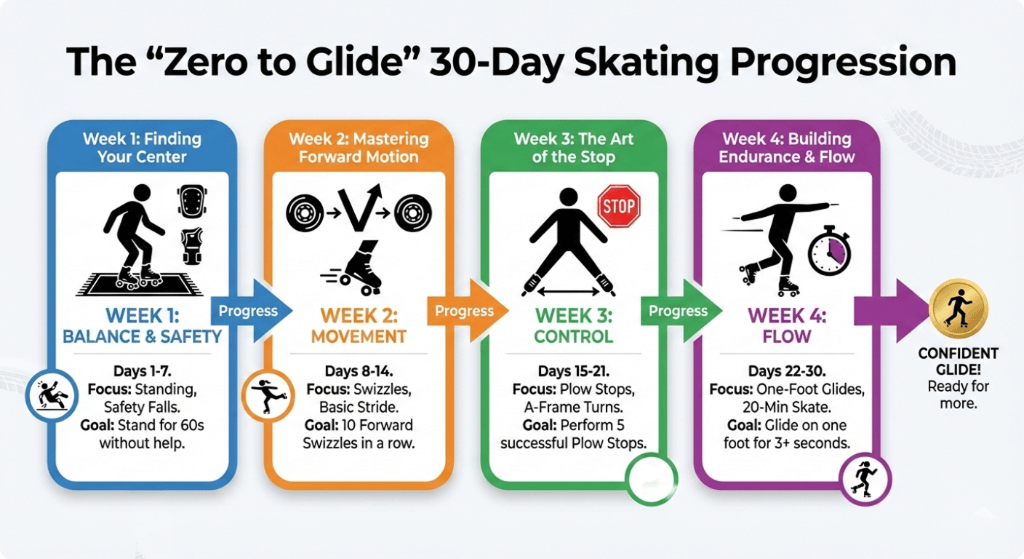
Skating is the ultimate test of balance and bravery. Anyone can learn to master wheels or blades with a structured approach. The Zero to Glide 30-Day Blueprint is a step by step training schedule designed to take absolute beginners from their first wobbles to confident, independent skating in one month. By following this daily progression and using the right safety skate gear, you will build the muscle memory needed to glide effortlessly.
Before you hit the pavement, ensure you have these professional grade basics.
This post contains affiliate links. As an Amazon Associate, I earn from qualifying purchases. This means I may earn a small commission if you purchase through my links at no extra cost to you.
1.Best Inline Skates/Rollerblades
The Rollerblade Zetrablade is the number one best inline skate for absolute beginners.
They provide the best in class ankle support for beginners. They have a very low centre of gravity, which helps you stay balanced.
The frame is made of a sturdy plastic that absorbs road vibrations, making the ride smoother.
They come in a men’s and women’s edition so please double check when buying.
2.Best Roller Skates/Quad skates
The Moxi Beach Bunny are the best for new skaters who want high quality, durable roller skates without a professional price tag. They are ideal for women and come in a variety of colours.
They provide excellent ankle support, which is crucial when you’re still building up your leg strength.
They also come with high quality gummy wheels that absorb outdoor bumps.
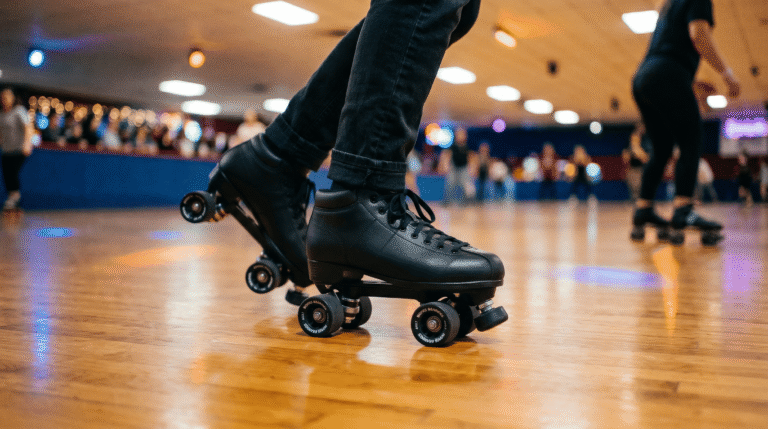
For men, the Riedell R3 roller skates rock it. They feature low cut, athletic boots that feel more like sneakers than traditional high-top skates.
They are incredibly durable and designed to take the abuse of roller derby or outdoor speed skating. They are ideal for both men and women.
3.Best Skating Helmet for Maximum Safety
Unlike bike helmets, skate helmets are designed with a bowl shape that extends further down the back of the head to protect against backward falls, which are more common in skating.
We rate theS1 Lifer helmet as the best skating helmet for both inline and roller skating.
It is dual certified ASTM (skate and roller skating) and CPSC (Bicycle safety) offering high impact and multi impact protection, ensuring you skate safely.
4.Best Skating Safety Pad Set
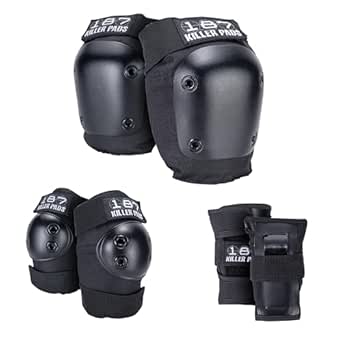
The 187 Killer Pads Six Pack Pad Set provides maximum protection and value, providing elbow pads, knee pads and wrist guards all in one set.
They use thicker, high density foam as compared to alternatives, to ensure you skate safely.
The knee pads are contoured to stay centred on your kneecap even when you slide.
The 30-Day Milestone Tracker
Use this tracker to keep track of your progress throughout the month.
Essential Beginner Skate Gear Checklist
Week 1: Finding your centre
The first seven days are about overcoming the fear of falling and understanding your centre of gravity. You cannot rush the fundamentals of balance.
Day 1–3: The Statue Phase
Day 4–7: Your First Steps
Practice marching in place. Lift one foot and then the other without rolling. By Day 7, you should be able to take 10 small baby steps forward without losing your balance.
Week 2: Mastering Forward Motion
Once you can stand confidently, it is time to start moving. Week 2 focuses on swizzles and basic strides.
The Lemon Drill (Swizzles)
This is the safest way to move without lifting your feet.
Day 8–14 Schedule
Week 3: The Art of the Stop
Speed is useless if you cannot control it. Week 3 is dedicated to safety and directional changes.
How to Perform a Plow Stop
The Plow Stop is the most reliable way for beginners to slow down.
Turning Basics
Practice A-Frame turns. To turn left, put more weight on your right skate and lean your body slightly into the turn. Keep your eyes looking where you want to go, not at your feet.
Pro Tip: Never skate without a Skate T-Tool. You need it to tighten your wheels and adjust your toe stops before every session.
Week 4: Building Endurance and Flow
The final week is about time on wheels. You are now refining your technique and building the stamina to skate for longer periods.
Day 22–30 Goals
Conclusion
The transition from Zero to Glide requires patience and the right equipment. By following this 30-day blueprint, you will have built a foundation of safety, balance, and technique. Consistency is more important than speed. Keep your knees bent, your head up, and your pads on.