Physical Address
304 North Cardinal St.
Dorchester Center, MA 02124
Physical Address
304 North Cardinal St.
Dorchester Center, MA 02124
Skating is one of the most rewarding skills you can master, but hitting a plateau is incredibly frustrating. You might feel like you’re putting in the work without seeing the results. The primary reason you aren’t progressing is likely a combination of neglected foundational posture and a lack of proper protective gear that prevents you from committing to new moves. By fixing your centre of gravity and upgrading your equipment, you can break through your current limits.
“This post contains affiliate links. As an Amazon Associate, I earn from qualifying purchases. This means I may earn a small commission if you purchase through my links at no extra cost to you.”
1. The Gear Gap: Is Your Equipment Holding You Back?
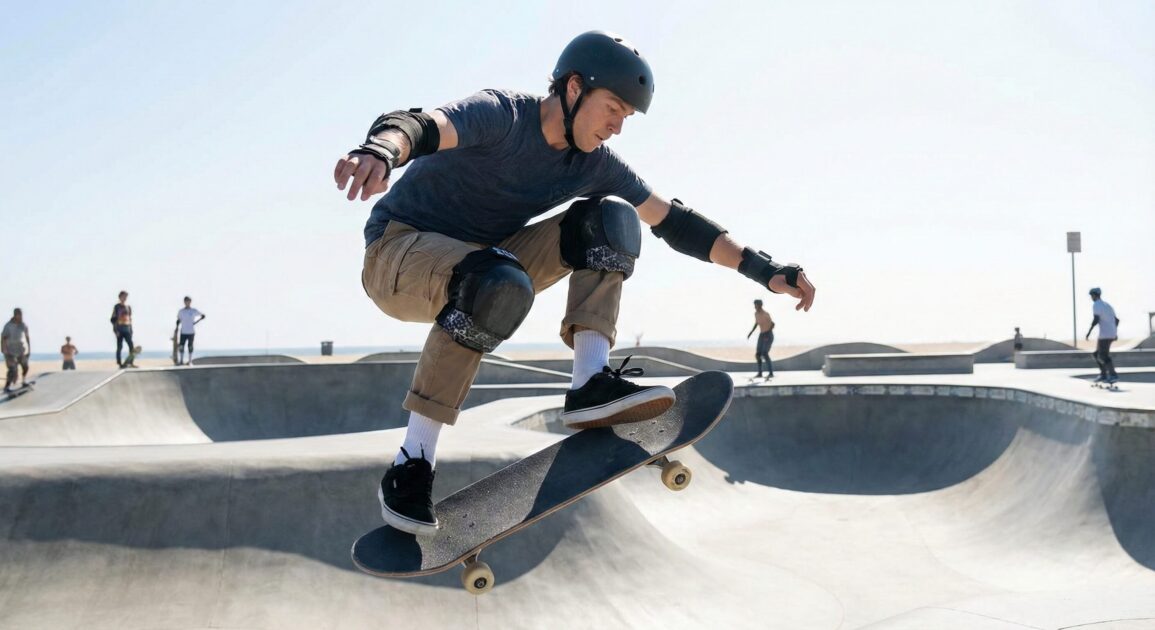
You can’t progress if you are afraid to fall. Fear causes hesitation, and hesitation causes accidents. High quality gear isn’t just for safety; it’s a performance enhancer.
Why Quality Protective Gear Matters
If you know a fall won’t sideline you for weeks, you’ll push your limits further.
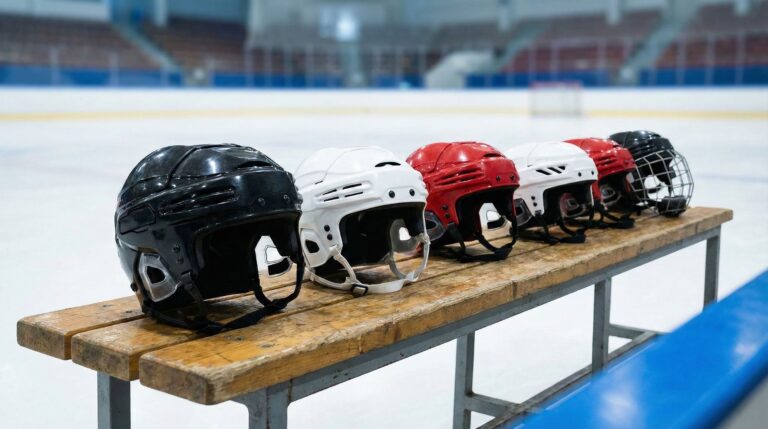
Certified Helmets: Don’t settle for a fashion helmet. Look for skating and bike safety certifications. The S1 Lifer Helmet offers dual certified protection and high rated comfort.
Wrist Guards: These are the most critical items for beginners. The Triple Eight Wristsaver is a the best for preventing hyperextension.
The Maintenance Checklist
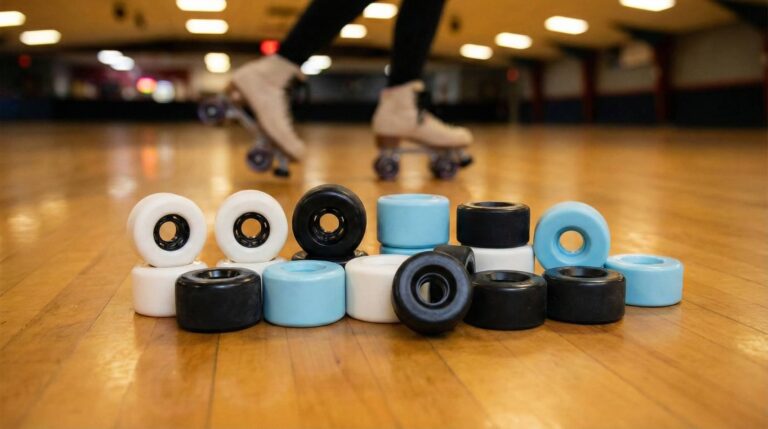
If your wheels don’t spin freely, you’ll never feel the flow. Check your skates weekly.
| Component | What to Check | Solution |
| Bearings | Are they noisy or slow? | Clean them or upgrade to Bones Reds Bearings. |
| Wheels | Is there flat spotting? | Rotate your wheels every few weeks. |
| Hardware | Are bolts rattling? | Tighten with a Zeato All-in-one Skate Tool. |
2. The Foundation: Why Your Posture is Killing Your Progress
Many skaters jump straight into tricks or high speeds before mastering their stance. If your body isn’t aligned, every move becomes a struggle against physics.
Fix Your Center of Gravity
A common mistake is “looking at your feet.” When you look down, your chest drops, and your weight shifts too far forward.
Avoid the Stiff Leg Trap
Stiff legs make you top-heavy. If your legs are locked, any tiny pebble or crack will send you flying. Focus on keeping a soft athletic stance at all times.
3. The Quality Over Quantity Problem
Just skating around is not the same as practicing. To get better, you need a structured approach to your sessions.
Master the Boring Basics
You might want to learn a kickflip or a power slide, but can you balance on one foot for 30 seconds?
Use Video Analysis
Record yourself for five minutes during every session. Compare your footage to professional tutorials. You will often spot mistakes like a leaning shoulder or a stiff hip that you can’t feel while skating.
Progress isn’t linear. You will have days where you feel like you’ve regressed. This is normal.
Pro Tip: Set Process Goals instead of Outcome Goals. Instead of saying “I want to land this trick,” say “I will spend 20 minutes practicing the footwork for this trick today.”
The Importance of Surface Selection
If you are struggling with balance, stop skating on rough asphalt. Find a smooth parking lot or a local rink. Consistency comes from practicing in an environment where you don’t have to worry about external hazards.
Conclusion: Take the Next Step
Getting better at skating isn’t about natural talent; it’s about physics, gear, and deliberate practice. Fix your posture, invest in gear that gives you the confidence to fall, and stop skipping the boring drills.